Steroid Tapering Protocols: Why You Can Never Stop Prednisone or Dexamethasone Suddenly
The Endocrine Biology of Adrenal Suppression, HPA Axis Feedback Loops, Cortisol Withdrawal, and How to Safely Wean Off Systemic Corticosteroids
The Endocrine Biology of Adrenal Suppression, HPA Axis Feedback Loops, Cortisol Withdrawal, and How to Safely Wean Off Systemic Corticosteroids
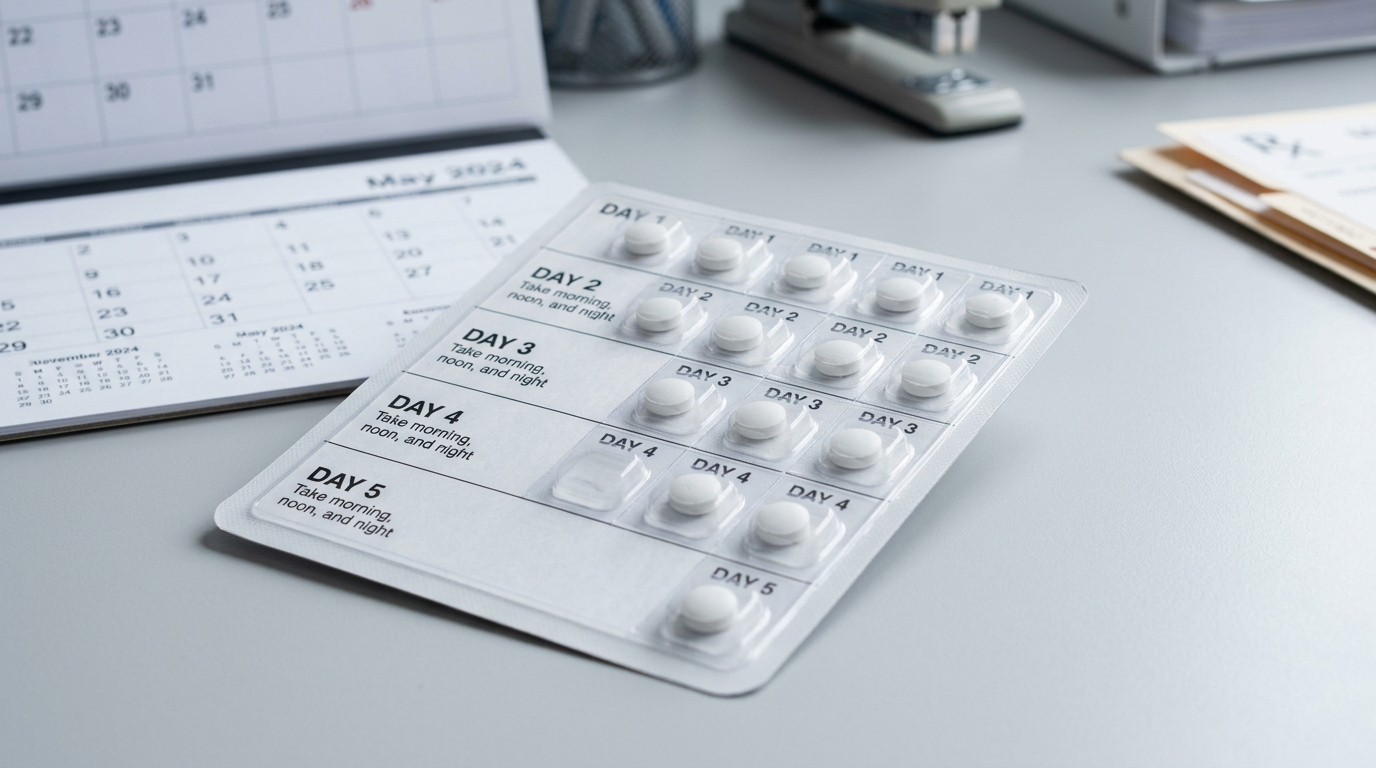
1. The Stepped Dosage Pack: Why Doctors Prescribe Diminishing Doses
If you have ever suffered an acute asthma exacerbation, a severe poison ivy rash, a sudden flare of rheumatoid arthritis, or acute spinal nerve inflammation (sciatica), your physician may have handed you a specialized cardboard prescription blister pack (such as a Medrol Dosepack) or written a complex prescription: "Take 40 mg for 3 days, then 30 mg for 3 days, then 20 mg for 3 days, then 10 mg for 3 days, then 5 mg for 3 days, then stop."
For many patients, this declining step-down schedule feels unnecessarily complicated. If a 40 mg dose is what finally cured your agonizing joint pain or stopped your severe allergic wheezing, why would you intentionally reduce the dose every few days? Why not stay on the high, effective dose until the illness is completely gone, and then simply stop taking the pills?
In clinical medicine, stopping systemic corticosteroids suddenly is one of the most dangerous actions a patient can undertake. Doing so can plunge the human body into a life-threatening endocrine emergency known as an Addisonian adrenal crisis. Understanding the neuroendocrine science of steroid tapering is vital for every patient prescribed these powerful, double-edged medications.
2. The Master Hormone: What Cortisol Does Inside the Human Body
To understand steroid medications, one must first understand cortisol. Cortisol is an essential glucocorticoid steroid hormone synthesized and secreted by the adrenal cortex (the outer layer of the two triangular adrenal glands sitting atop each kidney).
Cortisol is often colloquially dubbed the "stress hormone," but its physiological duties are vast and essential for moment-to-moment survival: it maintains vascular tone and systemic arterial blood pressure, regulates carbohydrate and lipid metabolism by keeping blood glucose levels stable during fasting, stimulates liver gluconeogenesis, modulates central nervous system mood and cognitive processing, and acts as the body's natural anti-inflammatory dampening system.
Without adequate circulating cortisol, blood vessels lose their ability to constrict in response to adrenaline, blood pressure plummets to near zero, glucose drops to lethal hypoglycemic levels, and the cardiovascular system collapses into refractory circulatory shock. Without cortisol, human beings cannot survive.
3. The HPA Axis: How Exogenous Steroids Put Your Adrenal Glands to Sleep
Under normal physiological conditions, your adrenal glands produce approximately 15 to 20 milligrams of endogenous cortisol every day. This production is governed with exquisite precision by the Hypothalamic-Pituitary-Adrenal (HPA) axis through a classic negative feedback loop.
When circulating cortisol levels drop, the hypothalamus secretes Corticotropin-Releasing Hormone (CRH), prompting the anterior pituitary gland to release Adrenocorticotropic Hormone (ACTH) into the bloodstream. ACTH travels to the adrenal glands and orders them to produce cortisol. When cortisol levels rise back up, the brain detects the hormone and shuts off CRH and ACTH release.
When a patient takes pharmaceutical steroid tablets—such as 40 milligrams of prednisone—the brain detects a massive deluge of synthetic glucocorticoid (prednisone is 4 to 5 times more potent than natural cortisol). The hypothalamus and pituitary immediately slam the brakes on hormone production, completely shutting down ACTH secretion.
If a patient takes high-dose steroids for longer than 2 to 3 weeks, this lack of pituitary stimulation has a devastating physiological consequence: the cells of the adrenal cortex, having received zero ACTH orders for weeks, shut down their metabolic machinery and physically wither away—a process known as adrenal atrophy. The adrenal glands enter a state of profound biological dormancy.
The Dormant Adrenal Glands
Taking steroids for over 2 weeks puts your adrenal glands into biological hibernation. If you stop taking pills abruptly, your sleeping adrenal glands cannot immediately restart, leaving you with zero cortisol.
4. The Acute Adrenal Crisis: The Life-Threatening Peril of Abrupt Cessation
Now imagine what happens if a patient on prednisone for three weeks suddenly throws away their pills because they feel fine. Within 24 to 48 hours, the synthetic prednisone is completely cleared from their bloodstream. The body desperately needs cortisol to maintain blood pressure and blood sugar.
The pituitary gland wakes up and begins firing ACTH signals at the adrenal glands. But the adrenal glands are severely atrophied and dormant! They cannot respond. They are incapable of producing endogenous cortisol on demand; it can take weeks or even months for atrophied adrenal tissue to regenerate and restore full steroid-producing capacity.
The patient enters an acute Addisonian adrenal crisis: blood pressure crashes catastrophically (severe refractory hypotension), accompanied by intractable nausea, projectile vomiting, severe dehydration, abdominal agony, profound hypoglycemia, hyperkalemia, confusion, and cardiovascular circulatory collapse. Adrenal crisis is an absolute medical emergency carrying a high mortality rate without immediate intravenous hydrocortisone resuscitation.
5. Steroid Withdrawal Syndrome: Differentiating Withdrawal from Disease Relapse
Even when patients undergo a properly managed taper, they may experience uncomfortable symptoms known as Steroid Withdrawal Syndrome. As daily doses decline, patients often experience extreme fatigue, generalized myalgias (muscle aches), arthralgias (joint stiffness), mild nausea, lightheadedness, and emotional mood swings.
A critical clinical challenge is differentiating steroid withdrawal symptoms from a flare-up of the original underlying autoimmune or inflammatory disease. For instance, in a patient being treated for rheumatoid arthritis, is their renewed joint stiffness a sign that their arthritis is returning, or is it simply their tissues adjusting to lower glucocorticoid levels?
Clinicians distinguish the two through blood inflammatory markers (such as Erythrocyte Sedimentation Rate [ESR] and C-Reactive Protein [CRP]). While withdrawal symptoms are uncomfortable, they are transient, lasting a few days after each dose reduction as the body recalibrates.
6. Clinical Tapering Schedules: How Doctors Calculate Step-Down Regimens
The primary purpose of a steroid taper is to gently lower circulating synthetic steroid levels at a rate that allows the atrophied adrenal glands to slowly wake up, rebuild cellular enzymes, and resume natural cortisol synthesis without precipitating a crisis.
The duration and aggressiveness of a taper depend on how long the patient took the medication and the milligram dose:
1. Short Courses (< 7 to 10 days): Courses lasting under one week typically do not cause profound adrenal atrophy. Prescribers can often stop the steroid abruptly or utilize a rapid 3-to-5-day dose-pack reduction.
2. Intermediate Courses (2 to 4 weeks): Requires a structured weekly taper, stepping down the daily dose by 5 to 10 mg every 3 to 7 days.
3. Long-Term Chronic Therapy (> 1 month to years): In patients on long-term steroids for lupus, vasculitis, or organ transplantation, weaning can take months or even over a year. Doses are tapered down to physiological levels (e.g., 5 to 7.5 mg of prednisone per day), followed by fractional reductions of 1 mg per month, often accompanied by morning serum cortisol or ACTH stimulation blood tests to formally verify adrenal recovery.
7. The Corticosteroid Potency, Duration, and Tapering Reference Guide
The following reference table compares standard systemic corticosteroids, their relative anti-inflammatory potencies, equivalent doses, and standard clinical tapering considerations:
| Corticosteroid Name | Relative Glucocorticoid Potency | Equivalent Daily Dose | Biochemical Half-Life & Duration | Tapering Mandate Threshold |
|---|---|---|---|---|
| Hydrocortisone (Cortisol) | 1 (baseline biological standard) | 20 mg | Short-acting (8 - 12 hours) | Mandatory taper if taken > 2-3 weeks |
| Prednisone | 4 (4x more potent than cortisol) | 5 mg | Intermediate-acting (18 - 36 hours) | Mandatory taper if taken > 2-3 weeks |
| Prednisolone | 4 (active metabolite of prednisone) | 5 mg | Intermediate-acting (18 - 36 hours) | Mandatory taper if taken > 2-3 weeks |
| Methylprednisolone (Medrol) | 5 (5x more potent than cortisol) | 4 mg | Intermediate-acting (18 - 36 hours) | Mandatory dose-pack step-down sequence |
| Dexamethasone | 25 - 30 (highly potent, zero mineralo) | 0.75 mg | Long-acting (36 - 54 hours) | High suppression risk; requires careful gradual taper |
| Betamethasone | 25 - 30 (ultra-high potency) | 0.60 mg | Long-acting (36 - 54 hours) | Rapid adrenal suppression; mandatory taper |
8. Actionable Patient Protocol: Navigating Your Taper with Total Safety
If you are prescribed a corticosteroid tapering regimen, follow these four clinical safety rules to protect your health:
Rule 1: Treat the schedule as inviolable law. Use a calendar or a daily pill organizer. Never skip a day, never double-dose, and never stop early because you feel well.
Rule 2: Take your daily steroid dose with breakfast. Morning administration synchronizes with your body's natural circadian cortisol peak, reducing the severity of HPA axis suppression and preventing nighttime insomnia.
Rule 3: Recognize red-flag symptoms of adrenal insufficiency. If you experience severe lightheadedness upon standing, intractable vomiting, sudden severe abdominal pain, or profound confusion during a taper, seek emergency medical care immediately.
Rule 4: Understand the "Stress Dose" concept. If you suffer a severe infection, high fever, or trauma during or shortly after completing a steroid taper, your dormant adrenal glands may not be able to generate the extra cortisol needed to survive physical trauma. Alert your healthcare provider immediately, as you may need temporary supplemental hydrocortisone.
Leverage digital platforms like Theprescription to log your daily steroid step-down schedule, receive timely morning reminders, and ensure every medication on your list is managed with total clinical clarity.
In routine clinical practice, active patient engagement represents the single greatest safeguard against preventable medication errors. When individuals take time to review their prescription orders, verify the correct indications, and clarify all ambiguous instructions prior to leaving the medical clinic, treatment adherence improves dramatically while adverse drug reactions decline.
Key Clinical Takeaways for Patients
- Systemic corticosteroids (prednisone, dexamethasone, methylprednisolone) suppress the body's natural hypothalamic-pituitary-adrenal (HPA) axis via negative feedback loops.
- Taking systemic steroids for longer than two to three weeks causes the adrenal cortex to atrophy and stop producing endogenous cortisol.
- Abruptly stopping corticosteroids leaves the body in an absolute cortisol vacuum, triggering acute life-threatening Addisonian adrenal crisis and severe hypotension.
- Steroid tapering protocols gradually reduce daily milligram doses, providing time for the dormant adrenal glands to awaken, regenerate, and resume baseline hormone secretion.
- Patients on tapering schedules must strictly adhere to the stepping-down calendar, report severe dizziness or vomiting immediately, and never discontinue steroids on their own.
Medical Disclaimer: Medical Disclaimer: This article is published solely for educational, health literacy, and informational purposes. Theprescription is not a certified medical device and does not dispense medical advice. Patients must never alter, stop, or initiate prescription medications without direct clinical consultation with a licensed physician and dispensing pharmacist. Originally published on Theprescription.