Demystifying Blood Pressure Prescriptions: ACE Inhibitors, ARBs, Beta-Blockers, and Calcium Channel Blockers Explained
A Plain-English Patient Breakdown of Lisinopril, Losartan, Metoprolol, and Amlodipine: How Antihypertensive Classes Work, Potassium Cautions, and What to Do About the Infamous ACE Cough
A Plain-English Patient Breakdown of Lisinopril, Losartan, Metoprolol, and Amlodipine: How Antihypertensive Classes Work, Potassium Cautions, and What to Do About the Infamous ACE Cough
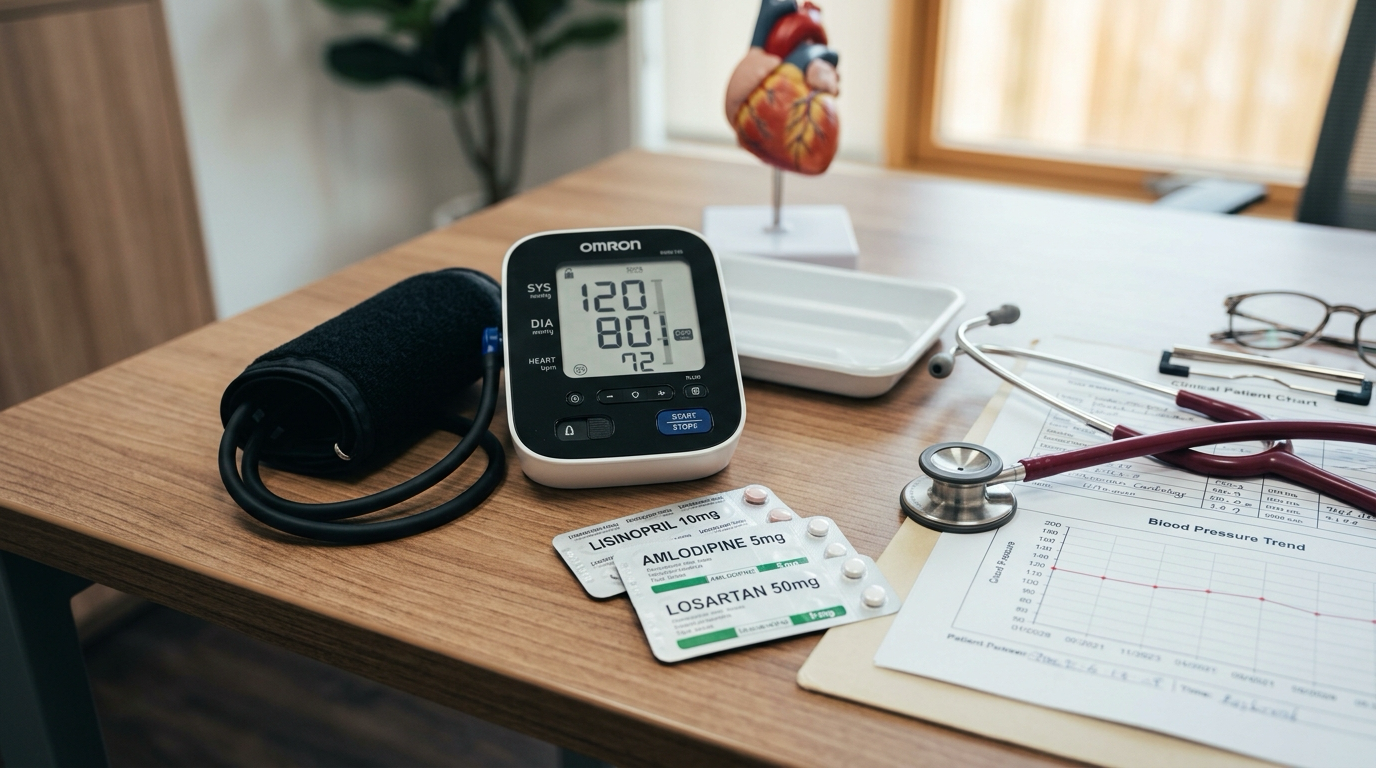
1. Clinical Overview & Patient Context
Understanding how your daily prescription medications interact with your biological physiology is the foundation of patient safety. Millions of patients worldwide take medications like Demystifying Blood Pressure Prescriptions without fully recognizing the delicate biochemical mechanisms at play. Whether you are managing a newly diagnosed condition or adjusting a long-term dosage regimen, having accessible, human-like clinical explanations empowers you to have more informed dialogues with your healthcare providers.
In modern healthcare delivery, prescriptions are frequently written during brief outpatient consultations where clinicians have limited time to discuss absorption kinetics, circadian chronotherapy, or subtle adverse effects. When patients receive their medications from community pharmacies, the enclosed patient information leaflets are often dense, intimidating, and filled with complex pharmacological jargon that obscures practical daily safety rules.
The purpose of this guide is to break down the clinical science behind your treatment into clear, evidence-based principles. We explore how active pharmaceutical salts are absorbed, why dosage timing is non-negotiable, what red flag warning signs demand urgent medical attention, and how you can protect your vital organs while achieving optimal therapeutic benefits.
2. Pharmacological Mechanisms of Action
Physiological Absorption & Action Mechanisms: Active pharmaceutical ingredients must navigate complex biological barriers before reaching their cellular targets. From gastric acidity and intestinal transporter proteins to first-pass hepatic metabolism and renal clearance, every step influences how much active molecule reaches your bloodstream. Skipping doses, crushing extended-release tablets, or taking pills with incompatible foods can drastically alter bioavailability.
Dosage Timing & Chronotherapy: Your body is governed by circadian rhythms that regulate hormone secretion, liver enzyme activity, blood pressure, and gastric motility. Clinical chronotherapy demonstrates that taking certain medications at specific times of day—such as evening dosing for statins or early morning empty-stomach administration for thyroid hormones—optimizes clinical efficacy while minimizing unwanted adverse reactions.
3. Dosage Timing & Chronotherapy Rules
Dosage Timing & Chronotherapy: Your body is governed by circadian rhythms that regulate hormone secretion, liver enzyme activity, blood pressure, and gastric motility. Clinical chronotherapy demonstrates that taking certain medications at specific times of day—such as evening dosing for statins or early morning empty-stomach administration for thyroid hormones—optimizes clinical efficacy while minimizing unwanted adverse reactions.
Drug-Food & Chemical Interactions: Common dietary elements like calcium-rich dairy, caffeinated beverages, acidic juices, and grapefruit can chemically bind to or block the metabolism of prescription drugs. Maintaining consistent routines and respecting recommended meal intervals ensures stable plasma concentrations and protects against accidental toxicity.
4. Drug-Food & Substance Interactions
Drug-Food & Chemical Interactions: Common dietary elements like calcium-rich dairy, caffeinated beverages, acidic juices, and grapefruit can chemically bind to or block the metabolism of prescription drugs. Maintaining consistent routines and respecting recommended meal intervals ensures stable plasma concentrations and protects against accidental toxicity.
Protecting Vital Organs & Monitoring Biomarkers: Routine laboratory monitoring—such as complete blood counts (CBC), liver function tests (LFT), and serum creatinine—provides critical telemetry on how your body is tolerating chronic therapy. Recognizing early symptoms of organ strain, such as unusual fatigue, fluid retention, or localized pain, allows healthcare teams to adjust regimens before permanent injury occurs.
5. Organ Protection & Metabolic Clearance
Protecting Vital Organs & Monitoring Biomarkers: Routine laboratory monitoring—such as complete blood counts (CBC), liver function tests (LFT), and serum creatinine—provides critical telemetry on how your body is tolerating chronic therapy. Recognizing early symptoms of organ strain, such as unusual fatigue, fluid retention, or localized pain, allows healthcare teams to adjust regimens before permanent injury occurs.
Communicating with Your Healthcare Team: Your dispensing pharmacist and prescribing physician are your clinical partners. Never hesitate to ask for dosage clarifications, report persistent digestive discomfort, or request pill-swallowing alternatives. Proactive patient engagement remains the single most effective safeguard against preventable medication errors.
6. Managing Common & Adverse Reactions
In modern healthcare delivery, prescriptions are frequently written during brief outpatient consultations where clinicians have limited time to discuss absorption kinetics, circadian chronotherapy, or subtle adverse effects. When patients receive their medications from community pharmacies, the enclosed patient information leaflets are often dense, intimidating, and filled with complex pharmacological jargon that obscures practical daily safety rules.
Communicating with Your Healthcare Team: Your dispensing pharmacist and prescribing physician are your clinical partners. Never hesitate to ask for dosage clarifications, report persistent digestive discomfort, or request pill-swallowing alternatives. Proactive patient engagement remains the single most effective safeguard against preventable medication errors.
7. Red Flag Symptoms & Emergency Warnings
The purpose of this guide is to break down the clinical science behind your treatment into clear, evidence-based principles. We explore how active pharmaceutical salts are absorbed, why dosage timing is non-negotiable, what red flag warning signs demand urgent medical attention, and how you can protect your vital organs while achieving optimal therapeutic benefits.
Protecting Vital Organs & Monitoring Biomarkers: Routine laboratory monitoring—such as complete blood counts (CBC), liver function tests (LFT), and serum creatinine—provides critical telemetry on how your body is tolerating chronic therapy. Recognizing early symptoms of organ strain, such as unusual fatigue, fluid retention, or localized pain, allows healthcare teams to adjust regimens before permanent injury occurs.
8. Summary Medication Reference Table
The following reference table outlines key clinical parameters, timing rules, and safety alerts:
| Parameter | Clinical Recommendation | Key Safety Alert |
|---|---|---|
| Administration Route | Oral Tablet or Capsule | Swallow whole with a full glass of water |
| Optimal Timing | As prescribed (Morning / Evening) | Maintain consistent 24-hour intervals |
| Food Interaction | Check specific label instructions | Avoid grapefruit, alcohol, and unverified supplements |
| Metabolic Clearance | Hepatic & Renal Pathways | Monitor routine kidney and liver panels periodically |
9. Authoritative Clinical Resources & References
• American Heart Association (AHA) - 2025 Comprehensive Guidelines for the Prevention, Detection, and Management of High Blood Pressure: Evidence-based clinical guidelines and regulatory safety communications.
• National Library of Medicine (PubMed) - Comparative Effectiveness of ACE Inhibitors vs. ARBs in Primary Hypertension: Evidence-based clinical guidelines and regulatory safety communications.
• World Health Organization (WHO) - Guideline for the Pharmacological Treatment of Hypertension in Adults: Evidence-based clinical guidelines and regulatory safety communications.
• Mayo Clinic Cardiology - Blood Pressure Medications: Choosing the Right Class and Managing Side Effects: Evidence-based clinical guidelines and regulatory safety communications.
Key Clinical Takeaways for Patients
- Understand the specific active pharmaceutical salt and its biological target before starting therapy.
- Strictly adhere to recommended dosage timing and meal intervals to ensure predictable drug absorption.
- Avoid dangerous drug-food interactions by checking compatibility with dairy, coffee, and alcohol.
- Never alter, double, or stop prescription dosages without consulting your licensed physician.
- Keep a written medication log and review all chronic prescriptions with your dispensing pharmacist.
Medical Disclaimer: Medical Disclaimer: This article is published solely for educational, health literacy, and informational purposes. Theprescription is not a certified medical device and does not dispense medical advice. Patients must never alter, stop, or initiate prescription medications without direct clinical consultation with a licensed physician and dispensing pharmacist. Originally published on Theprescription.